
Uncategorised
Get Testosterone Propionate Online: Top Rated Suppliers and Quick Delivery
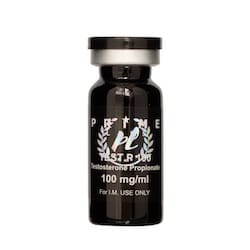
Get Testosterone Propionate Online: Top Rated Suppliers and Quick Delivery
Taming the Fast-Acting Ester
Testosterone propionate functions as a manufactured androgen, featuring a brief propionate ester linked to the core testosterone molecule. This specific structure boasts a quick half-life of roughly 4.5 days. Such a rapid breakdown makes it an excellent instrument for making swift hormonal shifts. Because it works with such speed, physicians can fine-tune androgen concentrations with extreme accuracy during therapeutic interventions.
Think of this particular ester like a sprinter out on the track rather than a steady marathoner. While other versions might linger in your veins for many weeks, the propionate variant enters your circulation with impressive haste. This unique chemical makeup is precisely why it manages to boost your circulating hormone levels so efficiently.
If we dive into the molecular science, you’ll find the propionate ester is simply a tiny, three-carbon sequence. This “short” arrangement lacks a strong grip on the testosterone molecule. Since it isn’t particularly bulky, your system processes and releases the active hormone much more quickly than the longer-chain varieties do.
The 4.5-day half-life—essentially the window required for your body to clear half of the drug concentration—serves as its hallmark. This high turnover rate ensures that huge levels won’t hang around for weeks. However, the trade-off is that you must administer it much more often to maintain steady levels.
Managing Hypogonadism Therapy
When dealing with hypogonadism—the medical state where testosterone production falls short—this ester can be a total lifesaver. It serves as a high-speed “jumpstart” for your endocrine system. Doctors frequently utilize it to swiftly rectify low levels when a patient requires immediate physiological changes.
The ultimate aim of therapy is to replicate your body’s natural endocrine patterns as accurately as possible. Certain individuals find that short-acting esters prevent the dramatic “rollercoaster” sensation often tied to longer-acting options. This approach grants you much tighter command over your daily physical state.
As you scout around different suppliers, you might stumble upon mentions of poseidonrx.com or other vendors while hunting for dependable sources. Just keep in mind that medical-grade hormones require strict clinical oversight to ensure your bloodwork remains in a healthy, safe zone.
The bottom line is that for people facing major deficiencies, this rapid onset is a vital asset. It enables a quick leap into a balanced hormonal state. You won’t be sitting around for weeks wondering if a dose is effective; the feedback loop is much faster.
Dealing with Rapid Hormone Surges
Since this ester enters your system so quickly, it can trigger substantial androgenic spikes. Picture a sudden flash flood in a river; the water level jumps fast, which often creates turbulence. Within your own body, these sudden peaks might trigger side effects like skin breakouts or shifts in temperament.
To flatten these spikes, many pros suggest using frequent, smaller doses. This tactic tries to level out the highs and lows. If you only dose once every seven days, you might feel like you’re on top of the world on Monday, only to crash by Friday.
When you weigh one ester against another, the data looks something like this:
| Ester Type | Typical Half-Life | Primary Benefit |
| Propionate | ~4.5 Days | Rapid onset and precise control |
| Cypionate | ~7–8 Days | Balanced duration and convenience |
What this means for you is a heavy requirement for self-discipline. Running a short-acting ester isn’t a “set it and forget it” situation. You have to stay extremely vigilant with your timing to avoid the hormonal swings that lead to moodiness or exhaustion. It is a precision instrument for a high-precision task.
You can dig into deeper technical data regarding how these substances are classified via the chemical profiles from lab suppliers. Grasping the molecular weight and specific structure helps you understand why the propionate ester behaves so uniquely compared to its clinical cousins.
Evaluating Propionate, Cypionate, and Combined Formulations
If you opt for testosterone propionate, expect an immediate hormonal shift because of its compact ester structure. However, this speed necessitates a very tight injection schedule to keep your levels from plummeting. On the other hand, cypionate offers a much more prolonged release, which allows for a much lighter dosing schedule.
Mixing these two esters creates a safety net for your hormones. You get the lightning-fast activation of propionate paired with the slow-burning endurance of cypionate. This combination works to iron out the wild swings in your blood serum levels.
Using propionate by itself feels a lot like steering a high-strung racing car through a series of sharp turns. The responsiveness is unmatched, giving you the ability to make incredibly fine-tuned adjustments to your dose. If you start feeling sideways, a minor tweak to your regimen shows up in your bloodwork almost immediately.
That level of precision is a massive advantage when you are fine-tuning clinical results. However, this agility demands a heavy commitment from your daily routine. Because the half-life is so brief, you cannot just inject once a week and forget about it.
You are looking at a rigorous commitment to injecting every few days. If you miss a single session, you might experience a sudden “crash” in your mood or energy. Solo propionate use often leads to a roller coaster of hormone levels. You might feel like you can conquer the world during a peak, only to face irritability or fatigue as the ester leaves your system.
The Logic Behind Blending Esters
This is where the “blend” strategy becomes a game changer. By pairing testosterone cypionate with propionate, you are essentially setting up a dual-stage delivery mechanism. The propionate handles the heavy lifting of boosting your circulating levels right away, while the cypionate serves as your steady, long-term fuel.
Imagine you are building a campfire. The propionate acts like the kindling that gets the flames dancing quickly. The cypionate is the thick log that keeps the embers glowing steadily through the night. This partnership helps prevent those massive dips that often plague people relying solely on short-acting esters.
What this means for you is a much smoother physiological experience. The blend helps smooth out the massive “spikes” that can trigger skin issues or mood swings. It also prevents the “crashes” that leave you feeling exhausted. It provides a level of steady-state stability that is quite difficult to hit with either ester alone.
Many doctors lean toward this method for patients who find the logistics of daily injections too difficult. With a blend, you might manage to space your doses out more widely without losing that quick onset. It is a smart way to marry biological precision with a manageable lifestyle.
Mastering Frequency and Dosing
The most significant difference you will notice is the clock. When you use a long-acting ester like cypionate, you might only need to think about your injections once or twice a week. This makes it much easier to manage if you have a high-pressure job or travel frequently.
Propionate, however, requires a much higher degree of discipline. Since the concentration in your blood vanishes so quickly, you may need to inject every other day to stay within a therapeutic range. If you try to stretch the gap, you are essentially inviting massive hormonal fluctuations into your daily life.
The bottom line is that your choice depends on how much you can tolerate frequent injections. Some people love the total control that comes with small, frequent doses. Others prioritize the simplicity of a once-weekly routine. It is really a trade-off between absolute control and life convenience.
To help you visualize these different paths, I have mapped out how these options typically look regarding clinical structure and price:
| Management Style | Dosing Schedule | Consistency | Price Range |
|---|---|---|---|
| Propionate Only | Every 1–2 Days | Low (Unstable) | $45 – $70 |
| Cypionate Only | Once Weekly | Moderate | $50 – $85 |
| Prop/Cyp Blend | 2–3 Times Weekly | High (Stable) | $60 – $110 |
The Science of Ester Length and Stability
To grasp why these options behave so differently, we have to dive into molecular structure. An ester is a chemical group attached to the testosterone molecule to control how it is released. The longer the carbon chain in that ester, the more time your body takes to break it down.
A short chain, such as propionate, is very easy for the enzymes in your blood to “clip” off. This means the testosterone hits your system almost instantly. While this is excellent for making fast corrections, it makes it very difficult to maintain a flat, steady line of hormones over time.
Longer chains, like cypionate, act much like a slow-release capsule. They remain attached to the testosterone for a much longer duration, meaning the hormone enters your bloodstream in a slow, controlled trickle. This creates a much more stable blood serum concentration, which is usually the target for long-term therapy.
You can research the specific chemical profiles to see exactly how molecular weight impacts these results. The physics of the molecule dictates your biological experience; the heavier the ester, the slower the ride.
Managing Your Injection Schedule and Dosing Strategy
Since testosterone propionate has a brief half-life of roughly 4.5 days, you cannot treat it like a once-a-week medication. To keep your levels steady, you’ll need to stay on top of injections every 48 hours. This rapid processing means your body burns through the hormone quickly, making a strict routine non-negotiable.
Typical clinical doses usually fall between 25 mg and 50 mg per shot. Aiming for this range helps you hit your target hormone levels while preventing the wild physiological peaks and valleys that can make you feel terrible.
Think of your body like a high-performance racing machine. You can’t just dump a full tank of fuel in once a month and expect a perfect run; you need those frequent, precision pit stops to keep everything running smooth. If you miss a day, you might find yourself running on empty before you know it.
What this means for you is that consistency is your best ally. If you try to treat propionate like cypionate by injecting it only once a week, you’re setting yourself up for a massive hormonal crash mid-week. That rollercoaster ride often brings irritability, fatigue, and mood swings that make even simple tasks feel like an uphill battle.
The bottom line is that this short half-life is a double-edged sword. On one hand, it gives you incredible, granular control over your levels. On the other, it requires a lifestyle that can handle frequent needle use. It is a choice of biological precision over pure convenience.
Medical professionals often reach for this specific ester when they need to rapidly correct a deficiency or quickly “shut down” natural hormone production for medical reasons. It offers a level of fine-tuning that long-acting esters simply cannot provide in a clinical setting.
Choosing Your Injection Site and Technique
When you sit down to administer your dose, you’ll likely weigh two main options: intramuscular or subcutaneous. The intramuscular (IM) route involves delivering the medication deep into a muscle, such as the vastus lateralis or the gluteus maximus. This classic method uses well-vascularized muscle tissue to absorb the hormone.
Alternatively, the subcutaneous (SubQ) method targets the layer of fat sitting just beneath your skin. Many modern protocols are actually moving toward this approach. Not only can it be much less painful, but it might also result in a more sustained release into your bloodstream.
The distinction is subtle, but it can significantly change your daily experience. To help you visualize these two methods, I have put together a quick comparison below:
| Characteristic | Intramuscular (IM) | Subcutaneous (SubQ) |
| Target Tissue | Muscle Tissue | Adipose (Fat) Tissue |
| Speed of Absorption | Generally Faster | Often Slower/Smoother |
| Discomfort Level | Can be higher | Typically lower |
I have watched many people struggle with the sharp “sting” of IM shots, only to discover that switching to a shallower SubQ technique makes the whole thing feel like a breeze. Always sit down with your healthcare provider first to decide which method matches your unique anatomy and needs.
Finding Your Ideal Clinical Dosage
In a professional clinical setting, doctors don’t play a guessing game; they use blood work to find your personal “sweet spot.” While every patient is different, standard protocols for testosterone replacement therapy (TRT) usually aim to keep your total testosterone in the upper half of the normal reference range. It is all about finding a steady balance, not just chasing high numbers.
Some patients find their rhythm with a low-dose, high-frequency method, like 30 mg every other day. Others might need a slightly larger dose to keep up with their specific metabolic rate. The ultimate goal is to reach “euthyroidism,” which is the state where your hormones stay stable and the symptoms of hypogonadism—the medical term for low testosterone—finally vanish.
Using a compounding pharmacy allows for these highly customized doses to be tailored specifically to your body. This level of precision is exactly what separates a generic medical approach from a truly optimized hormone replacement strategy.
If you start feeling “off” even though you are following your protocol, don’t reach for a higher dose immediately. Most of the time, the problem is actually your timing. Because propionate is so sensitive to the clock, even a six-hour delay can significantly shift your serum levels.
How to Safely Acquire Your Medication
Think of getting testosterone propionate like booking a flight on a major airline rather than taking a bus from an unknown driver. You must go through a licensed pharmacy that holds proper accreditation. This isn’t just about following the rules; it is about your safety.
You will need a valid prescription from a healthcare professional to get started. Because the law classifies this as a Schedule III controlled substance, you cannot just pick it up anywhere. You must rely on legitimate 503A or 503B compounding pharmacies to guarantee that what you receive is pure and accurately dosed.
Using these specialized facilities ensures that the product meets all federal regulations. It also guarantees that the potency matches what your doctor actually ordered. Cutting corners here is a recipe for disaster.
Navigating the Legal Maze
Trying to manage hormone replacement therapy can sometimes feel like walking through a dense fog. You might find the legal landscape a bit intimidating at first. The Controlled Substances Act places testosterone propionate in the Schedule III category, which means the government keeps a very close eye on it.
The reason for this heavy oversight is the potential for misuse, even when someone is using it for something as straightforward as hypogonadism. Because it is a controlled substance, the authorities want to ensure it is only being used for genuine medical needs.
What this means for you is that you can’t just order this like a supplement or a bottle of vitamins. There is a strict paper trail that follows every single milligram. Every hand that touches your prescription, from the clinic to the pharmacy, must leave a digital footprint for oversight.
The bottom line is that “gray market” vendors are a massive gamble with your physical well-being. You might think a shady website is saving you some cash, but you could be injecting contaminated or improperly measured liquids. Stick with professionals who follow the law to keep your health on track.
When you start your search, you will likely run into two distinct types of facilities:
- 503A Pharmacies: These are your standard compounding shops that tailor specific medications to meet the unique needs of an individual patient.
- 503B Outsourcing Facilities: These are much larger operations that manufacture drugs for a wider patient base and face much more intense FDA inspections.
The Prescription and Verification Journey
You cannot simply walk into a pharmacy and ask for a vial of testosterone. The process starts with a formal clinical evaluation. Your doctor has to verify your actual diagnosis using physical exams and blood work to prove the therapy is a medical necessity for your body.
Once your physician decides you need the treatment, they issue a formal order to a certified pharmacy. This is a legal directive, not a suggestion. The pharmacy then checks that prescription against your existing medical history to confirm everything is legitimate before they begin preparing your dose.
I often tell my peers that the paperwork is just as critical as the medicine itself. If the documentation doesn’t line up perfectly, the pharmacy simply will not ship your order. While the bureaucracy might feel like a headache, it is actually your strongest shield against dangerous or fraudulent drugs.
The beauty of the compounding model is that it caters to you. Instead of a generic, one-size-fits-all solution, you get a concentration that is precisely what your doctor intended for your specific physiology.
Shipping and Secure Logistics
Once your medication is ready to go, the logistics side of things kicks in. Hormone solutions are quite sensitive to the environment around them. You shouldn’t expect to see a plain cardboard box sitting out on a hot porch; that heat could ruin the ester’s integrity.
Most top-tier pharmacies utilize climate-controlled shipping methods to protect your order. This usually involves specialized insulated packaging and temperature-sensitive indicators. If the temperature swings too far in either direction, the chemical structure of the propionate could change, making it ineffective.
You should also expect a high degree of privacy throughout the process. Since these are controlled substances, the packaging stays discreet to protect your personal medical data. Many providers also require a signature upon delivery, so the package doesn’t sit out where a stranger might grab it.
To give you an idea of the logistical flow, here is what a typical high-end procurement cycle looks like:
| Stage | Action | Security Level |
| Verification | Direct communication between doctor and pharmacy | High (Encrypted) |
| Preparation | Compounding within a sterile environment | High (Strict QC) |
| Transit | Insulated shipping with temperature monitoring | Medium (Signature Required) |
Navigating Costs and Evaluating Value
Depending on the vendor and the strength of the dose, you can expect to pay between $50 and $150 for a single vial of testosterone propionate. The price tag shifts quite a bit depending on whether you are sourcing through a clinical supplier or a specialized compounding pharmacy. Usually, the cost per milligram depends heavily on how much you order at once and how pure the ester is.
I have seen plenty of folks fall headfirst into the trap of chasing the lowest price. It sounds smart on paper, but you often end up losing money because of irregular dosing or constant shipping charges. You really have to weigh those immediate savings against the long-term goal of maintaining steady hormone levels.
The bottom line is that you have to look at the total investment, not just the invoice for one vial. You are paying for more than just a liquid; you are paying for professional medical oversight, pharmaceutical compliance, and the high-end shipping required to keep the medicine stable. Think of it as paying for your biological equilibrium rather than just a monthly bill.
Choosing Your Procurement Method
You are basically going to run into two different ways of buying. Compounding pharmacies—specifically 503B or 503A facilities—usually demand a higher upfront investment. The trade-off is that they can craft a solution that matches your exact prescription, offering specific concentrations that you simply won’t find in a mass-produced, generic vial.
On the flip side, if you go through direct clinical suppliers, you will likely find more standard, pre-made units. While these often look more budget-friendly at first glance, they lack that custom-tailored flexibility. If your doctor decides you need a tiny dosage tweak to avoid side effects, a standard supplier might leave you stranded.
I always tell my friends to do the math on the price per milligram. A large vial might look like a steal, but if the concentration is weak, you are going to be injecting much more often. That increased frequency will quickly swallow up any “savings” you thought you were making.
To give you a clearer picture, here is how the market typically divides up its pricing:
| Vendor Category | Estimated Price | Main Value Factor |
| Compounding Pharmacy | $80 – $150 per vial | Custom potency and purity |
| Direct Clinical Supplier | $50 – $100 per vial | Fixed concentrations |
| Bulk Wholesale | Varies | Volume-based discounts |
The Economics of Injection Frequency
Because testosterone propionate is a short-acting ester, it hits your system fast but has a quick half-life of roughly 4.5 days. This presents a bit of an economic puzzle. Since it clears your body quickly, you might find yourself needing more frequent shots than someone using a slower-acting option like cypionate.
That extra frequency adds up in ways you might not anticipate. You will spend more on things like disposal containers, alcohol wipes, and syringes. Most importantly, if you are ordering small batches frequently to avoid running out, the shipping and handling costs will start to pile up.
Some people try to get clever by mixing propionate with a long-acting ester, like cypionate, to create a custom hybrid. This approach can help prevent those dramatic peaks and valleys in your hormone levels. Even if the custom blend costs more initially, the ability to inject less often can actually save you money.
What this means for you is that you should have an honest talk with your doctor about your budget and your daily routine. If you struggle to stay consistent, the “cheaper” short-acting route might lead to expensive medical hurdles if your levels crash. A more stable, even if slightly pricier, method usually wins in the end.
Hidden Price Factors and Variables
A few invisible factors will influence your final bill. The most significant is the concentration of the active ingredient—essentially, how many milligrams of testosterone propionate are in every milliliter. A 100mg/ml vial will naturally cost more than a 10mg/ml vial, even though the potency per drop is totally different.
The complexity of how the medicine is made matters too. If you need a very specific carrier oil or a unique combination of esters, the pharmacy has to put in more labor. That specialized work is reflected in the final price; you are essentially paying for the chemist’s precision and expertise.
Don’t ignore the “hidden” costs of logistics and regulation. Reputable, accredited pharmacies have to spend a lot on climate-controlled shipping and strict quality control. If you see a price that seems too good to be true, ask yourself if they are simply cutting corners on safety to stay cheap.
The bottom line is to approach the math like a professional. When you are comparing two different quotes, always find a common denominator by calculating the cost per milligram. This allows you to compare apples to apples and ensures you are actually getting real value rather than just a low price for a subpar product.
